Japanese Manga Translator:
Translate Raw Japanese Manga to English Instantly
Want to read raw Japanese manga but can't read the language? Yomu is a free Japanese manga translator that lets you upload scans, Doujinshi, or Pixiv art and get an instant Japanese to English translation. Our AI specializes in vertical text (Tategaki), complex Kanji recognition, and even handwritten sound effects — the things that generic translators like Google Translate get wrong. No signup required. Just upload and read.
Even if you can't read a single Japanese character, you can translate manga from Japanese to English in seconds.
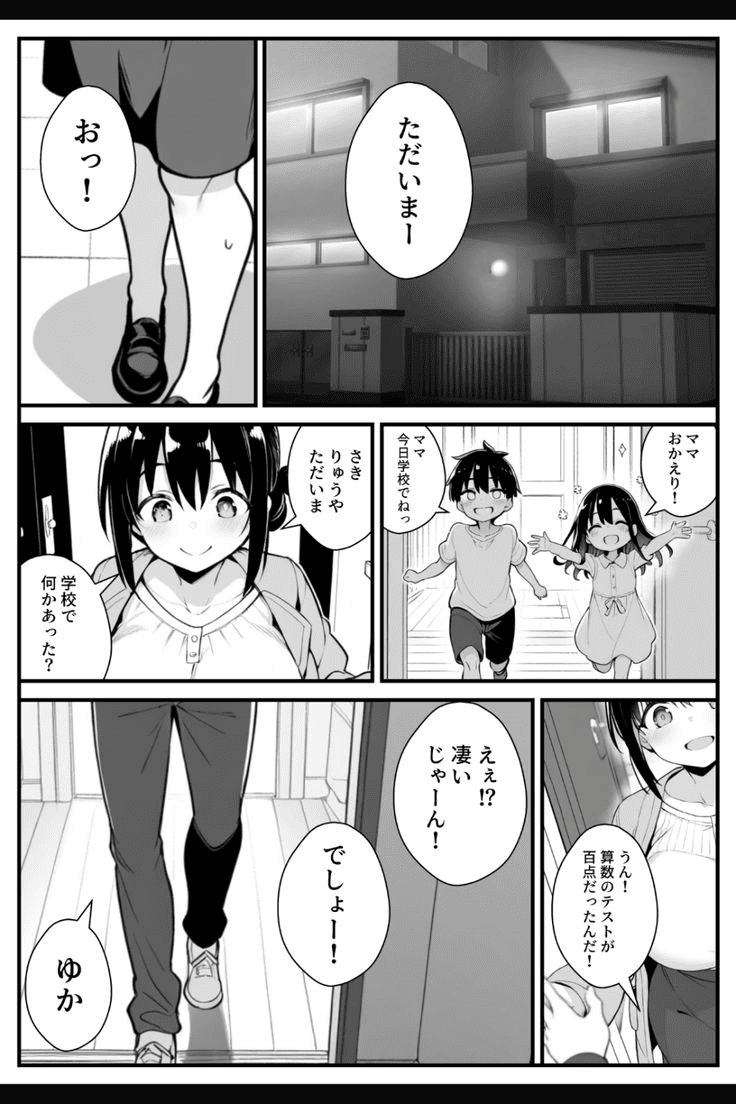
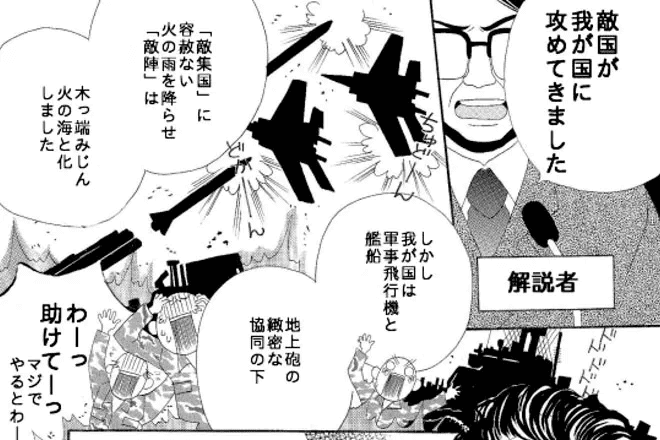
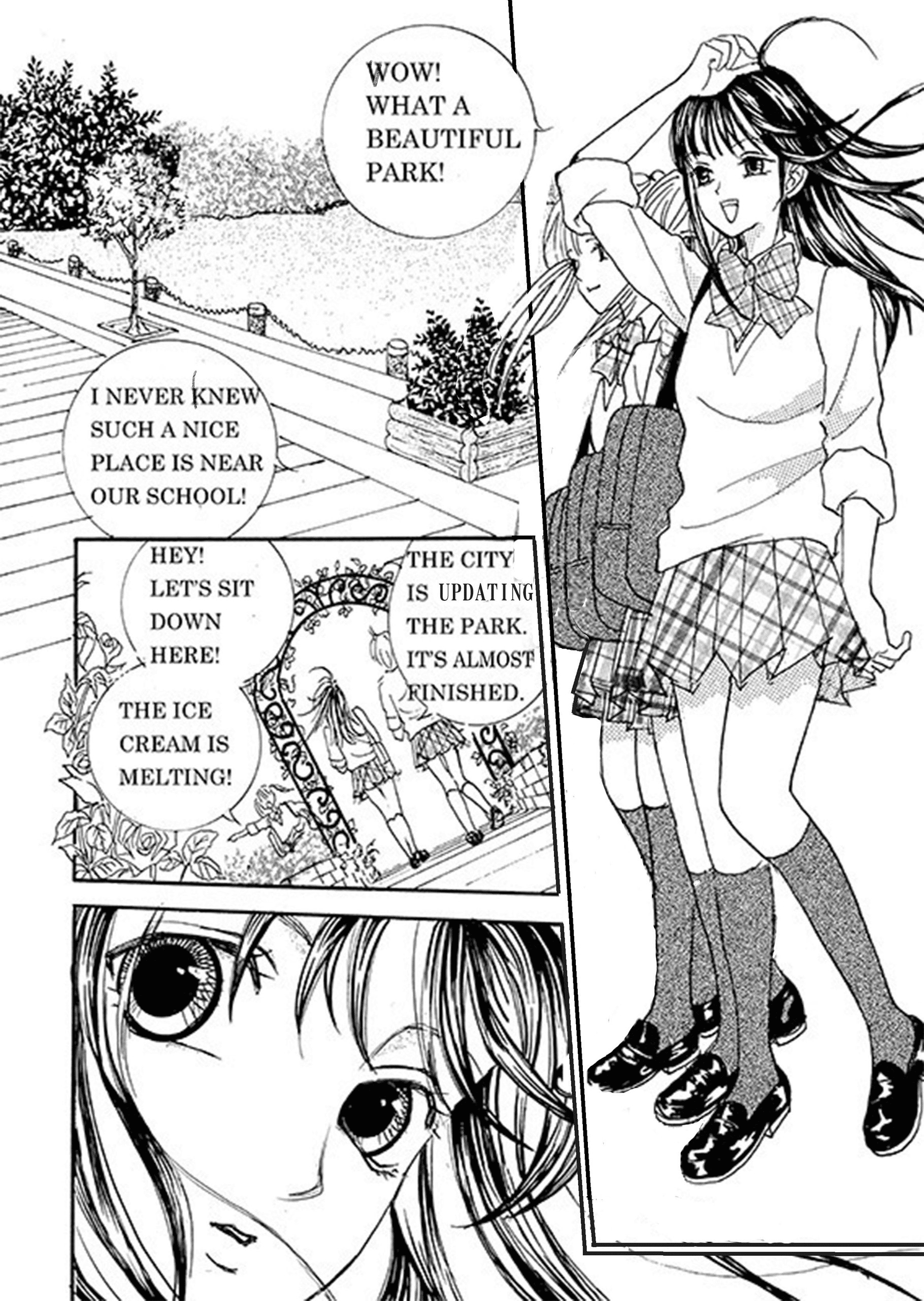
AI Manga Translator Showcase
See the quality of our AI-powered manga translations
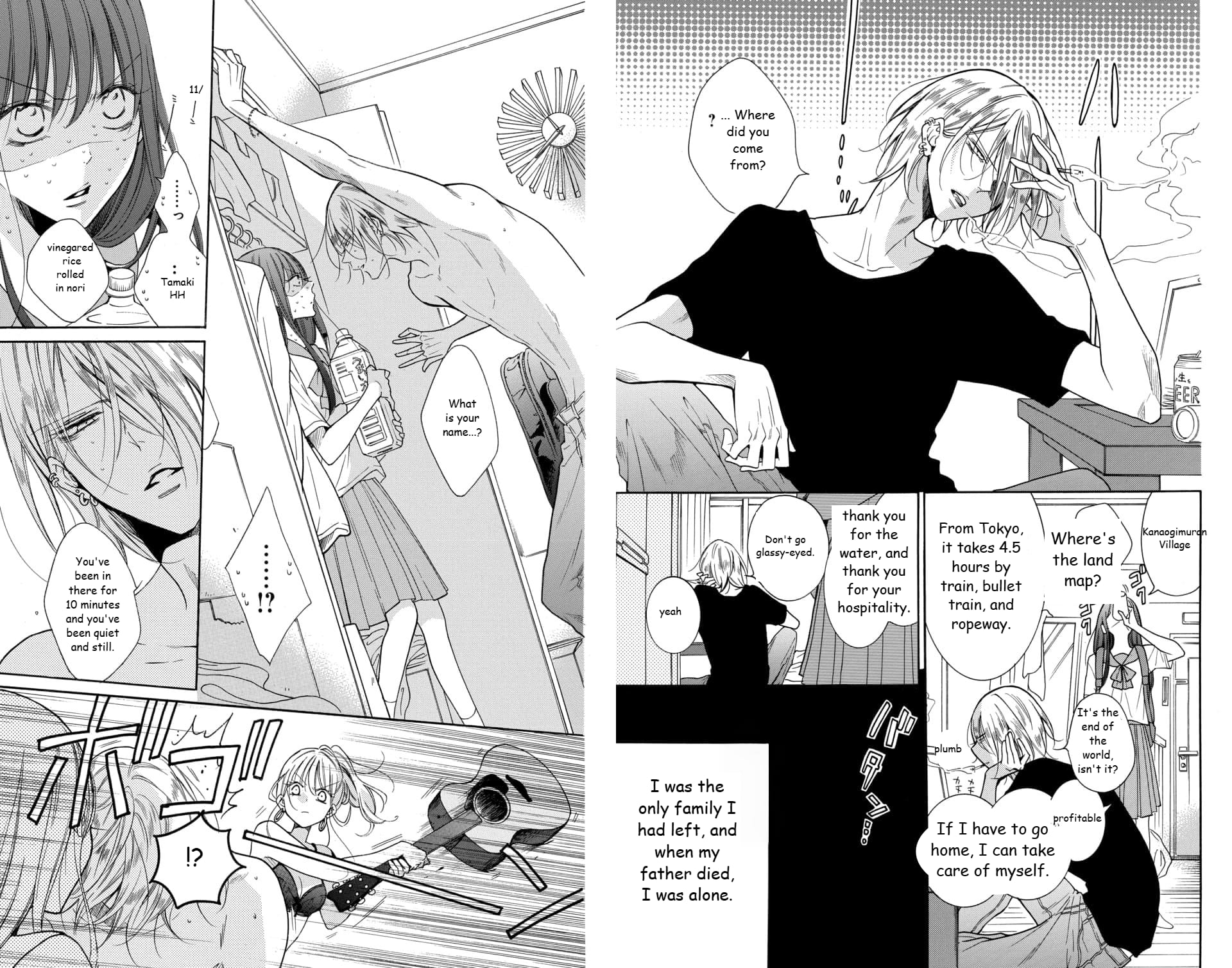
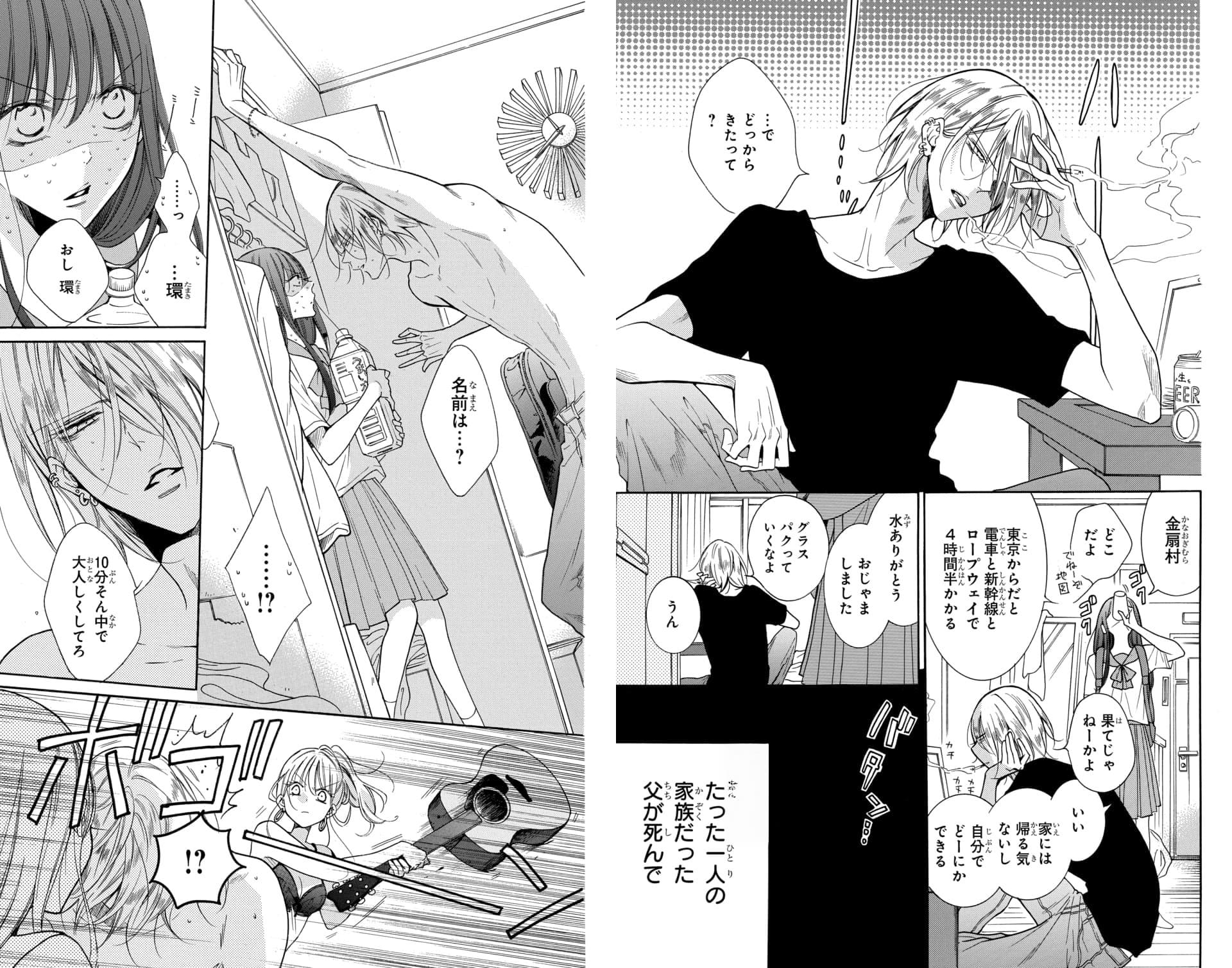
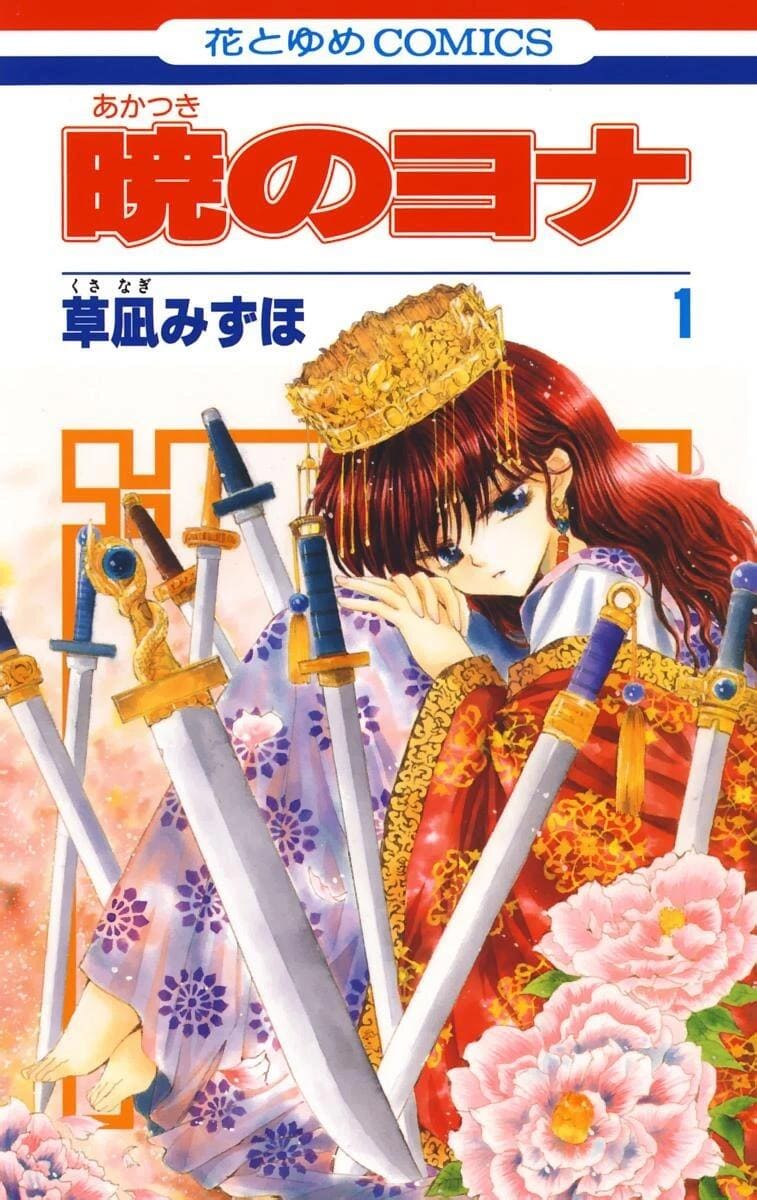
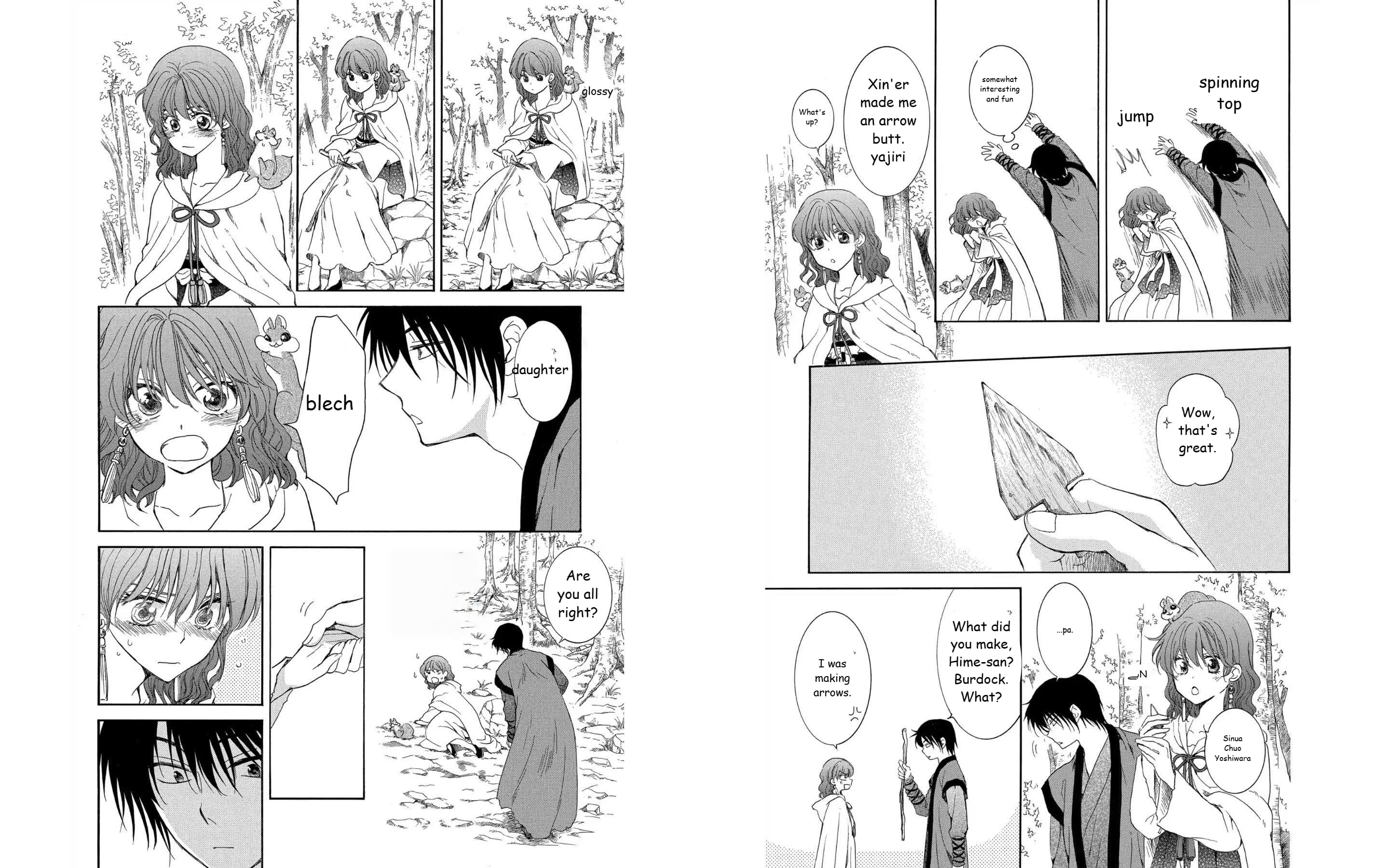
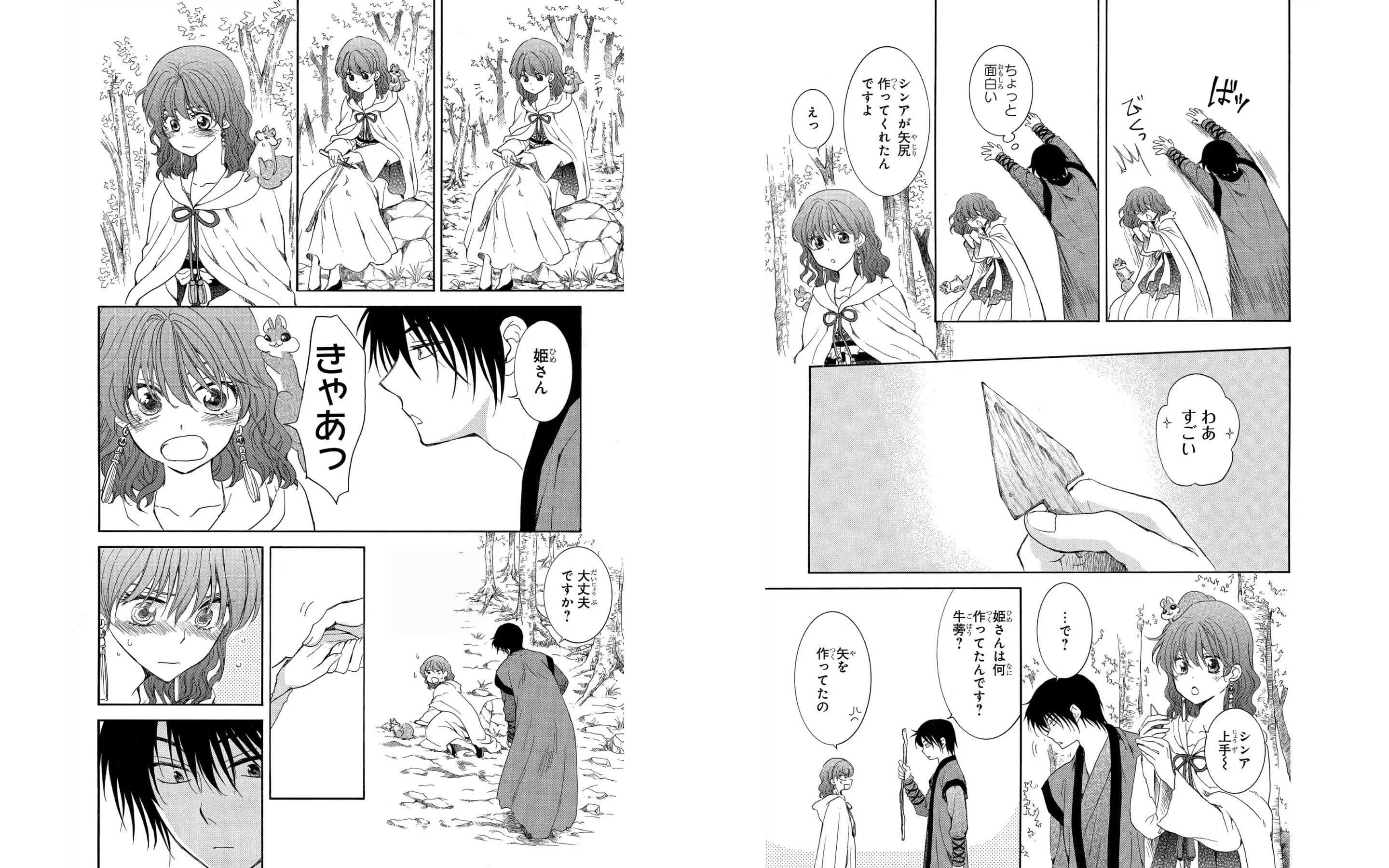
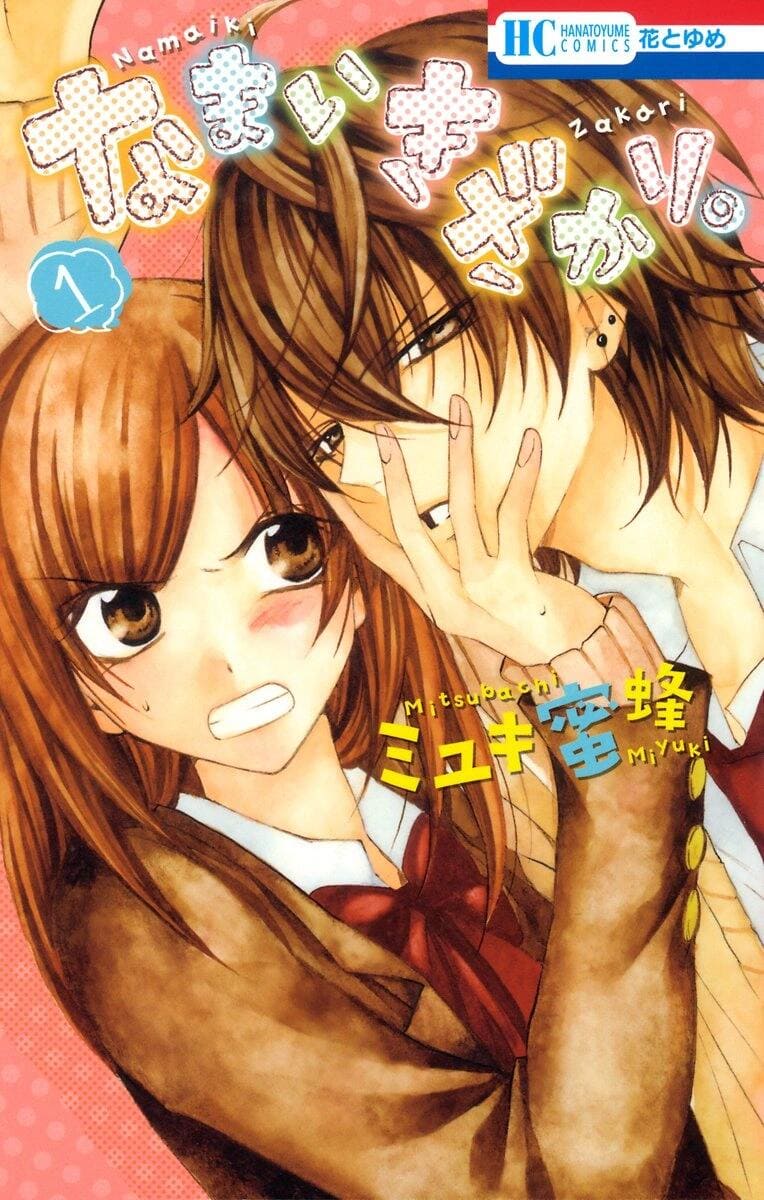
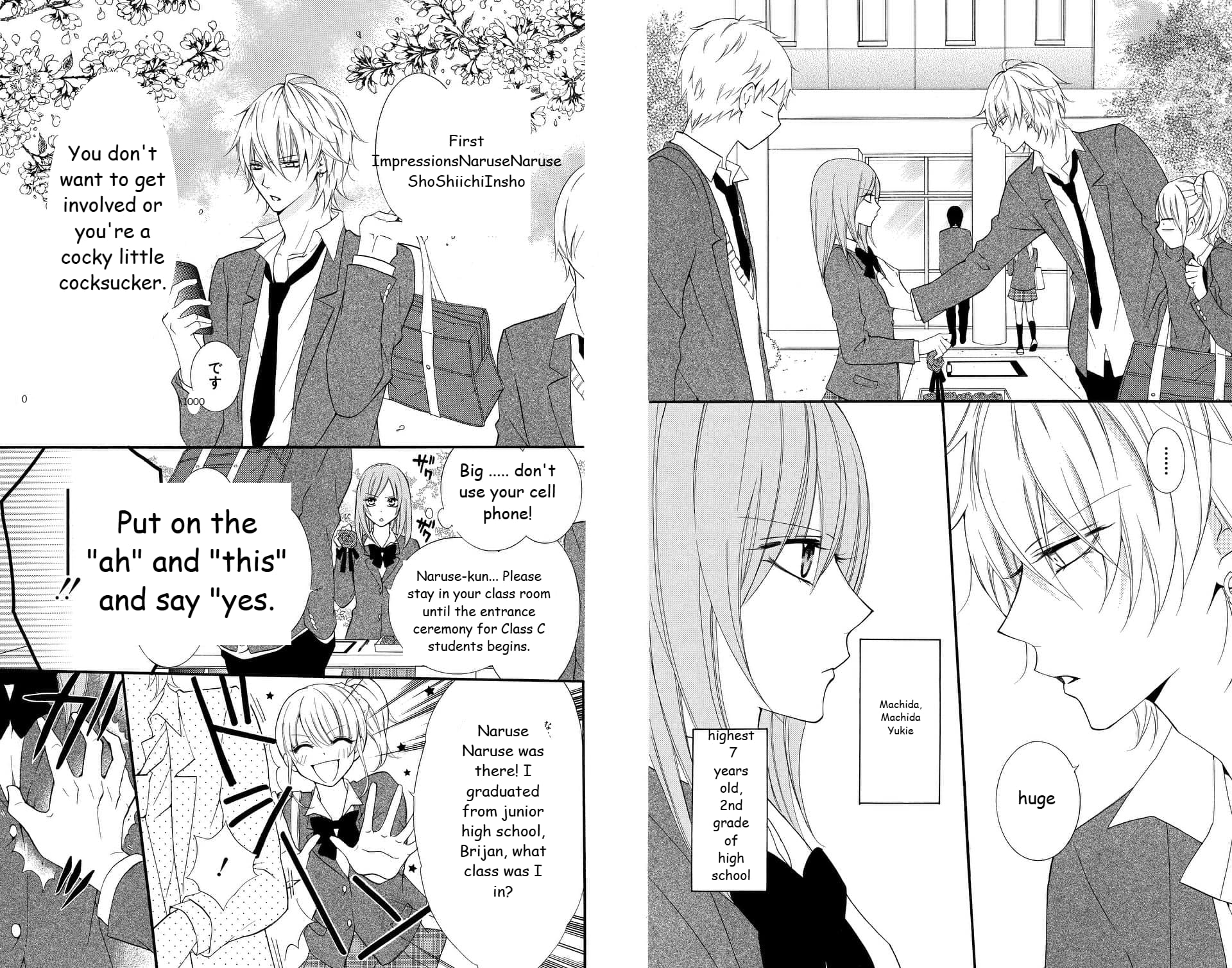
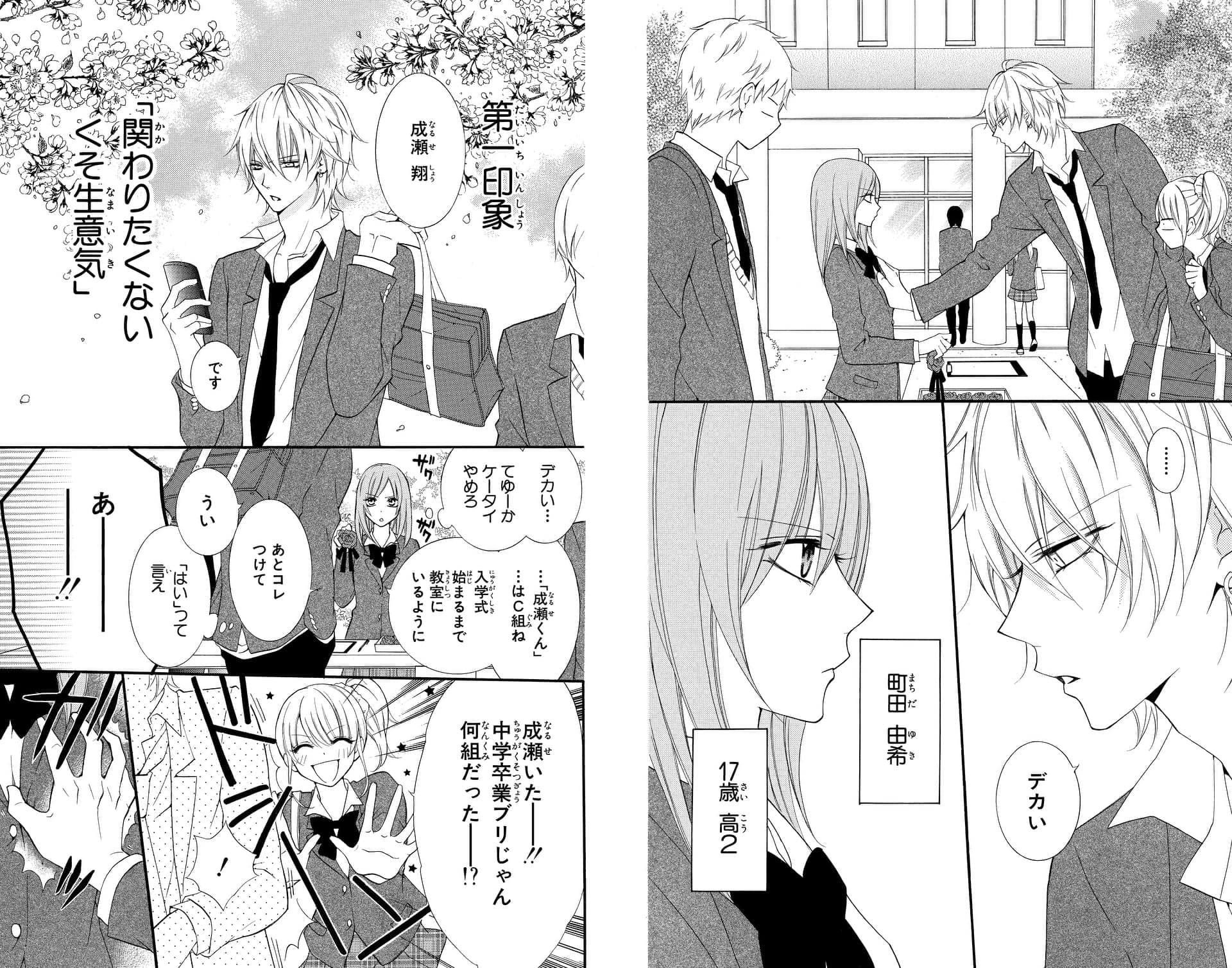
Your Instant Online Manga Image Translator
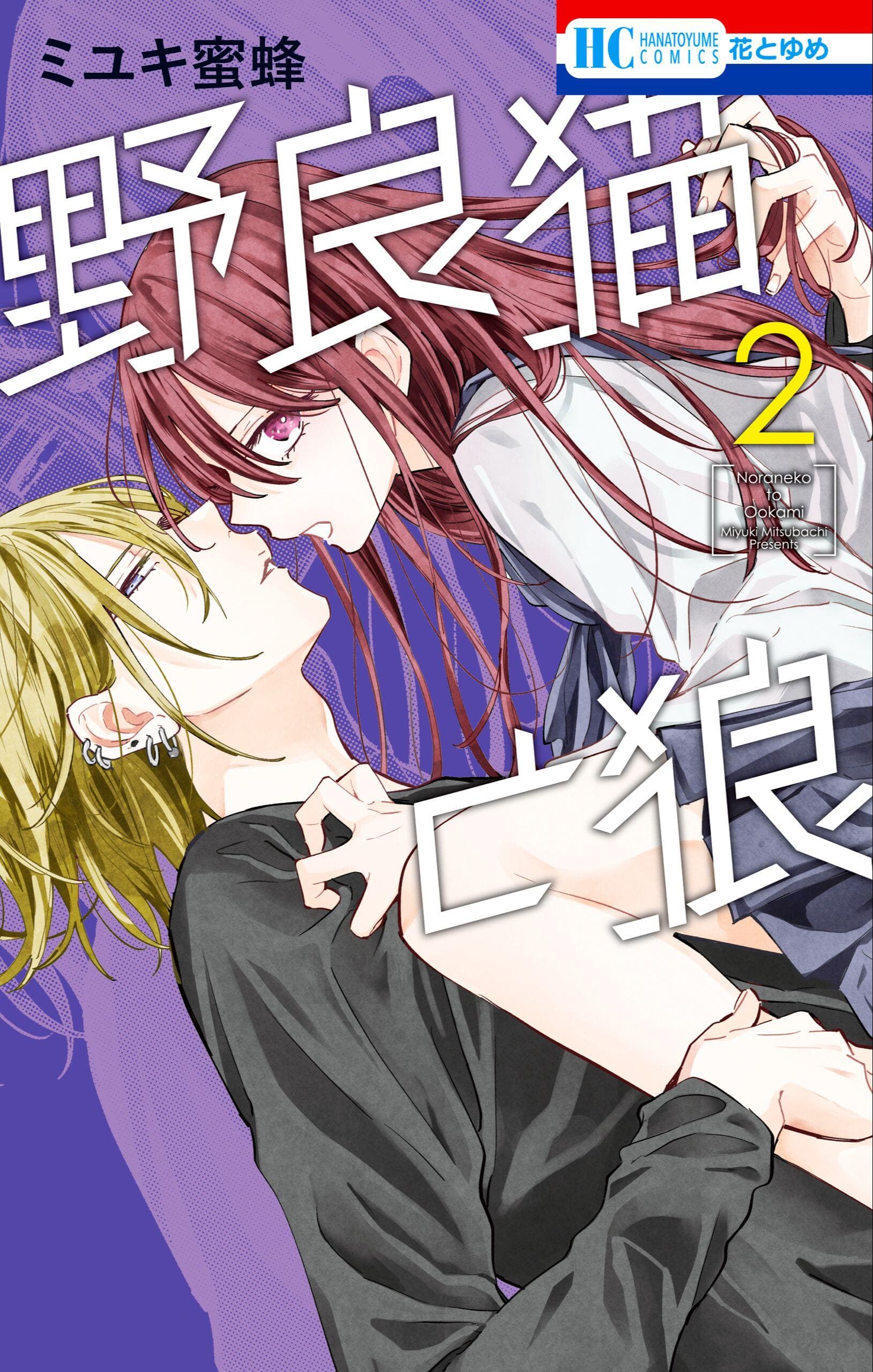
Don't wait to read your favorite series. Just drag and drop your file, upload a manga image, or paste an image URL. Our AI-powered tool gets to work immediately, delivering a perfectly translated panel right in your browser.
Ready to translate your own manga?
Start Translating NowWhat Makes Japanese Manga Hard to Translate?
Translating Japanese manga is fundamentally different from translating a regular document or even a novel. Standard translation tools struggle with manga because of several unique challenges that are specific to the Japanese language and comic format.
Vertical Text (Tategaki)
Japanese manga is traditionally written in vertical columns, read from right to left. This layout, called Tategaki (縦書き), causes most OCR engines to misread the text order. Instead of reading top-to-bottom within each column, generic tools often try to read left-to-right across columns, producing scrambled sentences. Yomu's OCR is specifically trained to detect and follow vertical text flow, ensuring each speech bubble is read in the correct order.
Kanji, Hiragana, and Katakana Mixed Together
A single manga speech bubble can contain all three Japanese writing systems at once. Kanji (漢字) carries meaning, Hiragana (ひらがな) provides grammatical structure, and Katakana (カタカナ) is used for foreign words, sound effects, and emphasis. Many OCR tools fail to correctly segment these mixed scripts, especially when Furigana (tiny reading guides above Kanji) is present. Our engine handles all three scripts seamlessly, including Furigana detection. This is why a dedicated Japanese OCR translator for manga outperforms general-purpose tools — it's built to translate Japanese characters in manga accurately, regardless of script type or font style.
Handwritten Sound Effects (SFX / Onomatopoeia)
Japanese manga is famous for its expressive sound effects — words like ドキドキ (dokidoki, heartbeat), ザーザー (zāzā, rain), or ゴゴゴ (gogogo, menacing rumble). These are often hand-drawn directly into the artwork, not typed in clean fonts. This makes Japanese manga sound effects translation one of the hardest problems in comic OCR. Yomu's AI is trained on thousands of handwritten SFX styles to recognize and translate them accurately.
Context-Dependent Dialogue
Japanese manga dialogue translation requires understanding context that goes far beyond individual words. Japanese uses different speech registers (polite, casual, masculine, feminine), implied subjects (the subject of a sentence is often omitted), and cultural references that have no direct English equivalent. A generic translator might turn a tough character's rough speech into polite English, completely losing the tone. Yomu's AI analyzes the surrounding panels and dialogue flow to preserve character voice and emotional context.
How to Translate Japanese Manga to English
Many readers want to know how to translate Japanese manga to English without learning the language. With Yomu, the entire process takes under 30 seconds. Here's how it works:
Step 1: Upload Your Japanese Manga Image
Drag and drop your raw manga scan, screenshot, or saved image into the upload box above. Yomu supports JPG, PNG, and WebP files up to 10MB each. You can also upload entire chapters as ZIP or PDF files (up to 200MB). For quick translations, just paste an image directly from your clipboard with Ctrl+V — perfect when you find an untranslated panel on Twitter or Pixiv.
Step 2: AI Detects and Analyzes Japanese Text
Once uploaded, our AI scans the entire page to identify all text regions. It detects vertical text columns (Tategaki), horizontal text, speech bubbles, narrator boxes, and handwritten sound effects. The OCR engine recognizes Kanji, Hiragana, and Katakana simultaneously, even when they're mixed within a single bubble. If Furigana is present above Kanji characters, the engine detects it and uses it to improve translation accuracy rather than treating it as separate text.
Step 3: Read Your Translated Manga Page
Yomu doesn't just give you a block of translated text. Our AI performs in-painting to remove the original Japanese text from each bubble, then places the English translation directly into the cleaned bubble using a manga-appropriate font. The result is a fully translated manga page that looks natural — as if it was originally published in English. You can download the translated image or continue uploading more pages.
Why Choose Yomu for Japanese Manga Translation?
Unlike generic translation tools, Yomu is built specifically for Japanese manga. Here is why thousands of readers choose us over standard Japanese manga translation services:
Master Vertical Text
Traditional Japanese manga uses vertical text layout (Tategaki), where characters flow from top to bottom in columns read right to left. Most image translators are designed for horizontal text and completely break down when faced with vertical Japanese. They scramble sentence order, merge text from different bubbles, or skip text entirely. Yomu's OCR was trained specifically on vertical manga layouts. It correctly identifies individual columns, reads them in the right order, and groups text by speech bubble — even when bubbles overlap or text extends outside the bubble border.
Context-Aware AI Translation
Japanese manga dialogue is full of nuance that requires context to translate correctly. Characters drop pronouns, switch between polite and casual registers mid-conversation, and use gender-specific language patterns. A direct word-for-word translation often sounds robotic or loses the character's personality. Yomu's AI considers the full page context — not just individual bubbles — to produce Japanese manga dialogue translations that preserve each character's voice, emotional tone, and the overall narrative flow.
Advanced OCR for All Japanese Scripts
Our OCR engine handles every type of Japanese text you'll find in manga. Standard printed Kanji and Kana are recognized with high accuracy, even on complex illustrated backgrounds. Furigana (small reading guides above Kanji) is detected and used to improve translation quality. And critically, our engine can read handwritten and stylized sound effects (SFX) that are drawn directly into the artwork — the thing that makes Japanese manga sound effects translation so challenging for generic tools.
Japanese Manga Translation Examples
See how Yomu handles real Japanese manga pages — from clean digital scans to rough hand-drawn Doujinshi:
View AI Manga Translator ShowcaseTranslate Raw Scans, Doujinshi & Textbooks
Yomu is not just for mainstream comics. Our tool is versatile enough to handle various types of Japanese media:
Raw Manga Scans
Read the latest chapters from Shonen Jump or Magazine before the official release. Upload your raw manga scan and get an instant Japanese to English translation that preserves the original page layout.
Doujinshi
Translate dense text bubbles in independent comics with high accuracy. Whether it's from Comiket or an online circle, Yomu handles the unique typography and layout styles found in Doujinshi.
Learning Materials
Yomu is also a powerful tool for Japanese language learners. Upload your Japanese manga with English translation side by side to study vocabulary in context. Many students find that translating manga helps them learn Japanese faster than textbooks because the visual context reinforces word meaning. You can also use Yomu to check your own translation attempts — translate a page yourself, then compare with Yomu's AI output to identify mistakes.
Yomu vs Google Translate for Japanese Manga
Many readers first try using Google Translate's camera or image feature to read manga in Japanese — just point your phone at the page and let Google Translate handle the Japanese manga. While it works for simple horizontal text, it consistently fails on manga-specific layouts. Here's how the two tools compare:
| Feature | Google Translate | Yomu |
|---|---|---|
| Vertical text (Tategaki) | Often misreads text order, scrambles sentences | Purpose-built for vertical Japanese text flow |
| Handwritten SFX | Cannot detect hand-drawn sound effects | Trained on thousands of manga SFX styles |
| Furigana handling | Reads Furigana as separate text, causing errors | Detects and ignores Furigana for clean output |
| Layout preservation | Shows translation as plain text overlay | In-paints original text and places translation in bubbles |
| Dialogue context | Translates each bubble independently | Considers surrounding panels for context-aware translation |
| Output format | Text-only, no image editing | Full translated manga page, ready to read |
If you're reading a quick sign or menu, Google Translate works fine. But for actually reading manga — following a story across panels, understanding character dialogue, feeling the sound effects — you need a tool built specifically for Japanese manga translation.
Japanese Manga Translator App & Browser Extension
Looking for a Japanese manga translator app or a browser extension? Yomu currently works as a full-featured web app that runs in any browser — Chrome, Safari, Firefox, or Edge — on both desktop and mobile. No download or installation needed.
We are also developing a dedicated Japanese manga translator Chrome extension that will let you translate images directly on websites like Pixiv, Twitter, and Shonen Jump Plus with a single click. Join our waitlist to get notified when it launches.